Kazimierz Karabasz
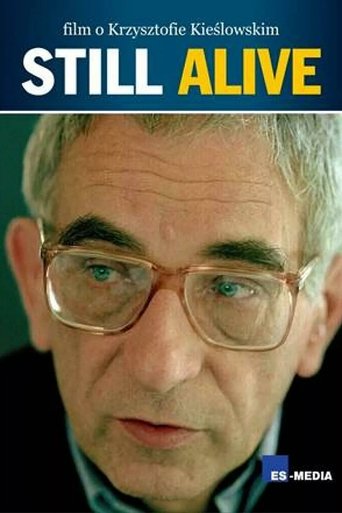
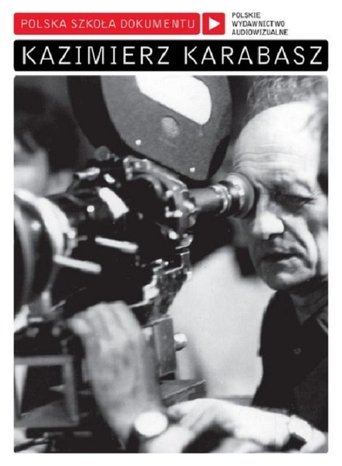
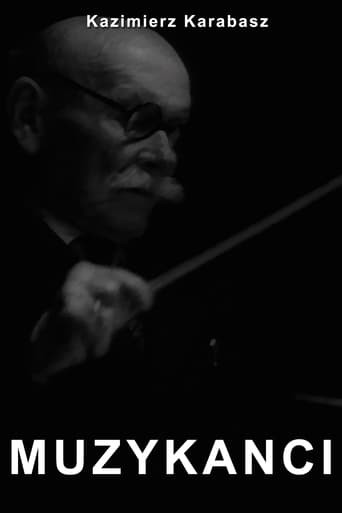
Kazimierz Karabasz (Polish pronunciation: [kaˈʑimjɛʑ kaˈrabaʂ]; May 6, 1930 in Bydgoszcz, Poland – August 11, 2018) was a Polish documentary filmmaker. A graduate of the Łódź Film School in 1956, he also taught the documentary programme there for many years. Although his work is now rarely seen, his most famous film, a ten-minute documentary short entitled Muzykanci / The Musicians, is an extra on the Criterion Collection edition of Krzysztof Kieślowski's film The Double Life of Véronique. Kieślowski, whom Karabasz mentored, chose this as one of his personal all-time top ten films in a 1992 poll conducted by the film magazine Sight & Sound. Karabasz is known in Poland for influencing generations of documentary filmmakers to come with his approach to filmmaking called "school of Karabasz" (Polish: szkoła Karabasza). The style focuses of regular people's lives and requires a perspective of an observer with zero impact on the observed object. Muzykanci is considered a textbook example of "Karabasz school". The method was especially popular in the sixties and associated with the œuvre of Władysław Ślesicki, Andrzej Trzos-Rastawiecki, Krystyna Gryczełowska and Danuta Halladin among others.