F. W. Murnau

F. W. Murnau

Friedrich Wilhelm “F. W.” Murnau (December 28, 1888 – March 11, 1931) was one of the most influential German film directors of the silent era, and a prominent figure in the expressionist movement in German cinema during the 1920s. Although some of Murnau’s films have been lost, most still survive. While the horror film Nosferatu (1922) is his most famous work, the romantic melodrama Sunrise: A Song of Two Humans (1927) is his critically most acclaimed; the British Film Institute's 2012 Sight & Sound critics' poll named it the fifth-best film in the history of motion pictures. Murnau's characteristics are an atmospheric imagery and an innovative use of camera movement. Andrew Sarris in his influential book of film criticism The American Cinema: Directors and Directions 1929–1968 included him in the "pantheon" of the 14 greatest film directors who had worked in the United States.

On screen

  • Murnau, Borzage and Fox
  • The Way to Murnau
  • Los 5 Faust de F. W. Murnau
  • Sunrise: A Song of Two Humans
  • The Film in the Film

Behind the camera

  • Synthwave Horror: Nosferatu
  • Hunting in the South Seas
  • Tabu: A Story of the South Seas
  • City Girl
  • The Twelfth Hour
  • 4 Devils
  • Sunrise: A Song of Two Humans
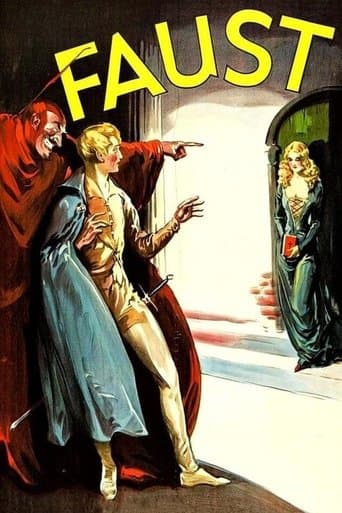
  • Faust
  • Tartuffe
  • The Last Laugh
  • The Finances of the Grand Duke
  • Comedy of the Heart
  • Nosferatu
  • Phantom
  • The Burning Soil
  • Marizza
  • Desire: The Tragedy of a Dancer
  • The Haunted Castle
  • Journey into the Night
  • The Boy in Blue
  • The Head of Janus
  • The Hunchback and the Dancer
  • Satan
  • Evening – Night – Morning

Pick up exactly where you left off.

Tick an episode and the rest sorts itself out: what is waiting tonight, what airs tomorrow, what you abandoned two years ago. And under every episode, what other people made of it, without ever spoiling what comes next.

Create an account

Free, no ads.

F. W. Murnau · moviemoood